
Nestled in the scenic landscapes of Karnataka, Pilikula Geographical Park is a treasure trove of biodiversity and ecological richness. This unique sanctuary stands as a testament to the region’s natural heritage and environmental consciousness. The park’s blend of diverse flora, fauna, and educational opportunities offers a captivating experience for nature enthusiasts, researchers, and tourists alike. As an eco-tourism hub, the Pilikula Geographical Park exemplifies sustainable practices and conservation efforts, making it a vital part of the Indian ecological landscape.
Introduction to Pilikula Geographical Park: An Overview

Pilikula Geographical Park is not just a park; it is a comprehensive environmental education center designed to promote awareness about the region’s ecological systems. Located in the outskirts of Mangalore, this park encompasses a sprawling green zone dedicated to showcasing the region’s geographical diversity, including lakes, forest patches, and rock formations that depict the geological history of the area. Its mission is to blend recreation with learning, emphasizing conservation while providing spaces for visitors to connect with nature on a deeper level.
What makes Pilikula Geographical Park particularly notable is its integrated approach—combining natural biodiversity, cultural elements, and educational facilities. It serves as a living laboratory for students, researchers, and casual visitors who wish to understand the delicate balance of ecosystems. Over the years, it has grown into a center that champions sustainable development, environmental awareness, and ecological preservation within the vibrant landscape of Karnataka. Its strategic location and diverse attractions position it as a prominent landmark among India’s ecological destinations.
Geographical Location and Climate of Pilikula
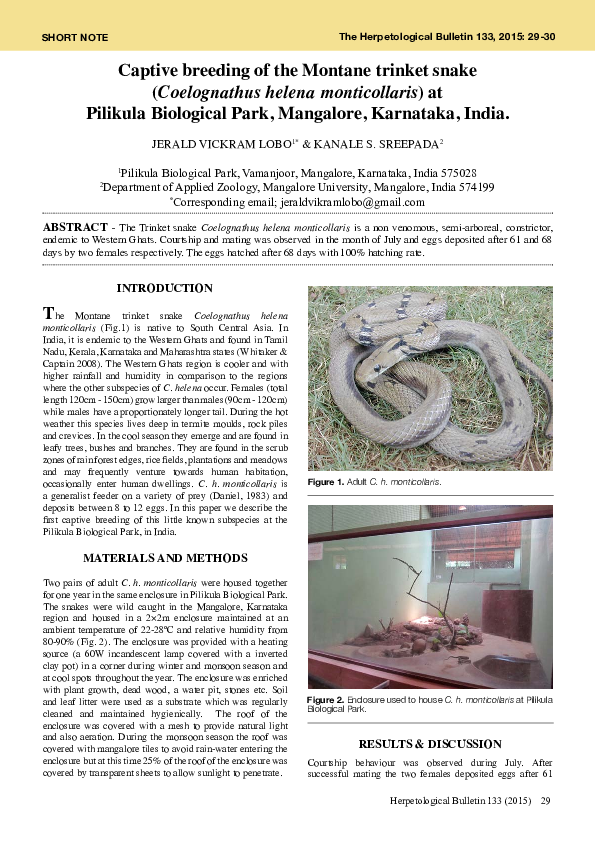
Situated in the coastal region of Karnataka, Pilikula Geographical Park benefits tremendously from its proximity to the Arabian Sea, influencing both its climate and biodiversity. The park is approximately 10 kilometers from Mangalore city, accessible yet far enough to provide a tranquil escape from urban hustle. The region’s topography is characterized by hills, river streams, and gentle valleys, making it an ideal setting for a geographical and ecological park.
The climate of Pilikula is classified as tropical, with high humidity and moderate temperatures throughout the year. Summers tend to be warm, with temperatures soaring up to 35°C, while winters are mild and pleasant, offering an excellent climate for outdoor exploration. The monsoon season from June to September infuses the region with lush greenery, rejuvenating the flora and creating a vibrant habitat for wildlife. The park’s climate plays a crucial role in supporting its diverse ecosystems, fostering a rich habitat that includes wet forests, water bodies, and grasslands, each with their own unique microclimate.
Flora and Fauna of Pilikula: Biodiversity Hotspot
The ecological tapestry of Pilikula Geographical Park is an enchanting mosaic of flora and fauna, representative of the Western Ghats—a UNESCO World Heritage site renowned for its ecological hotspots. The park hosts a variety of indigenous plant species, including medicinal herbs, tropical hardwoods, flowering plants, and lush trees such as bamboo, mango, and casuarina. These diverse plant communities are crucial for maintaining ecological balance, preventing soil erosion, and supporting the wildlife that inhabits the area.
On the fauna front, the park is home to a rich assemblage of animals, birds, reptiles, and insects. Birdwatchers can delight in spotting species such as kingfishers, hornbills, peacocks, and woodpeckers, making it a birdwatching paradise. The park also shelters mammals like bonnet macaques, squirrels, and occasionally sightings of foxes and civets. Reptiles such as snakes, lizards, and turtles are commonly seen basking on rocks or near water bodies. This biodiversity hotspot not only provides a panoramic view of nature’s splendor but also emphasizes the importance of conserving native species and their habitats amidst increasing urban development.
Conservation Efforts and Sustainability Initiatives at Pilikula
Recognizing the importance of ecological preservation, Pilikula Geographical Park has implemented numerous conservation initiatives aimed at protecting its rich biodiversity. The park actively promotes reforestation, habitat restoration, and native species conservation programs, engaging local communities and volunteers in its efforts. These initiatives serve as a safeguard for the fragile ecosystems within the park, ensuring their longevity and ecological stability.
Furthermore, the park emphasizes sustainability by adopting eco-friendly practices such as rainwater harvesting, waste management, and renewable energy usage. Educational programs and workshops are regularly conducted to raise awareness among visitors, students, and local residents about the importance of environmental stewardship. These efforts reflect a holistic approach to conservation—balancing human needs with ecological integrity—thus making Pilikula Geographical Park a model for sustainable ecotourism and environmental education in the region.
Educational Importance of Pilikula Geographical Park
Pilikula Geographical Park serves an invaluable educational role, acting as an open-air classroom that fosters curiosity about the environment, geology, and biological sciences. It offers guided tours, interactive exhibits, and workshops tailored to students, researchers, and tour groups aiming to deepen their understanding of ecological systems and geological formations. The park’s educational programs are designed to inspire conservation-minded thinking and scientific inquiry among learners of all ages.
Beyond traditional learning, the park promotes experiential education where visitors can observe and participate in conservation activities firsthand. Its geological sections showcase rock formations, sedimentary layers, and fossils, revealing the Earth’s history and geological processes. This integration of scientific knowledge with environmental education helps instill a sense of responsibility and appreciation for natural heritage, training future generations as guardians of the environment. The park’s efforts in education extend to public awareness campaigns that emphasize the importance of sustainability, biodiversity, and climate resilience.
Pilikula’s Role in Promoting Eco-Tourism in the Region
As a burgeoning eco-tourism hub, Pilikula Geographical Park plays a strategic role in highlighting the region’s natural beauty while promoting responsible tourism. It attracts visitors from across India and abroad, who seek immersive experiences rooted in nature. The park’s facilities—including nature walks, birdwatching towers, water bodies, and botanical gardens—are designed to maximize visitor engagement while minimizing ecological disturbance.
This eco-centric approach contributes significantly to the local economy, providing livelihoods and fostering community participation. The park also collaborates with local artisans, cultural organizations, and environmental groups, creating a cultural and ecological tapestry that showcases the region’s heritage. Promoting eco-tourism at Pilikula aids in safeguarding the environment as well as boosting regional development, all while fostering a deep respect for nature among tourists. It exemplifies how conservation and tourism can coexist, offering sustainable benefits that resonate with global ecological standards.
Challenges and Future Prospects for Pilikula Geographical Park
Despite its accomplishments, Pilikula Geographical Park faces several challenges. Rapid urbanization, pollution, and deforestation threaten the delicate ecosystems within and around the park. The increasing footfall of tourists also demands enhanced infrastructure and management strategies to balance visitor experience with environmental preservation. Moreover, climate change poses long-term risks to biodiversity, water availability, and habitat stability within the region.
Looking ahead, the park’s future depends on stronger governmental policies, community involvement, and innovative conservation strategies. Expanding educational programs, adopting eco-friendly infrastructure, and fostering partnerships with environmental organizations are critical pathways forward. Investment in scientific research can uncover new insights into local ecosystems, informing better conservation practices. If managed sustainably, Pilikula Geographical Park can continue to be a beacon of ecological resilience and a model of conservation excellence in India.
Visitor Experience and Key Attractions at Pilikula
A visit to Pilikula Geographical Park is not just an educational outing; it is an immersive journey into nature’s diverse landscapes. The park’s main attractions include its lush botanical gardens, serene lakes, and scenic walking trails where visitors can stroll amid verdant surroundings. The ecological zones are carefully curated to reflect the natural habitats of the region, offering an unfiltered glimpse into the area’s geological and biological richness.
Additional highlights include the geological museum and rock formations that narrate the Earth’s history, birdwatching towers that open up vistas of nesting and migratory birds, and adventure zones for children. The park also hosts cultural festivals, environmental fairs, and workshops that foster community engagement and environmental awareness. Visitors leave with a renewed sense of nature’s importance and practical knowledge on sustaining our ecological heritage. Pilikula stands out as a vibrant pulse of natural beauty, education, and eco-conscious living—all accessible to anyone eager to explore South India’s ecological marvels.
Conclusion
Pilikula Geographical Park encapsulates the harmonious blend of ecological conservation, educational excellence, and eco-tourism development, serving as a vital green lung and knowledge center in Karnataka. Its rich biodiversity, strategic location, and ongoing efforts in sustainability highlight its importance as a natural sanctuary and educational hub. Despite challenges posed by urban growth and climate impacts, the park’s future appears promising through community involvement, innovative conservation strategies, and responsible tourism practices. As a compelling example of ecological preservation and environmental education, Pilikula continues to inspire visitors and conservationists alike, ensuring its role as a verdant haven for generations to come.
Quick booking: Call (+91) 87480 99666 or WhatsApp your trip details.
Email: shruthinitourist@gmail.com
One-Way rides: One-Way Taxi Services in Udupi
Local trips packages: Local Trip Taxi Services
Holiday Temple tours: Holiday Packages • Temple Tour Packages
Railway pickups/drops: Railway Taxi / Cab Services




0 Comments